Top 5+ Vietnam Wholesale Clothing Suppliers for Boutique Owners
Is Vietnam wholesale clothing a place boutique owners should choose to stock? Many boutique owners ask this question when looking for stable suppliers, fair pricing, and consistent quality. Vietnam wholesale clothing refers to apparel produced by factories and wholesalers in Vietnam for resale, often with flexible MOQs and strong craftsmanship. Moreover, Vietnam attracts boutiques because factories focus on detail, fabric control, and repeatable production.
If you want reliable stock, seasonal collections, and long-term supplier relationships, keep reading to see why Vietnam continues to stand out.
1. What Is Vietnam Wholesale Clothing?
Vietnam wholesale clothing refers to apparel produced in Vietnam and sold in bulk to boutiques, retailers, and brand owners. You work directly with factories or approved suppliers instead of buying single pieces from online marketplaces.
When you source wholesale clothing in Vietnam, you usually choose between three supply paths:
- Factory-direct wholesale
You work in a manufacturing factory. The factory handles fabric sourcing, cutting, sewing, and finishing. This option gives you better control over quality, sizing, and reorders. - Trading companies
A trading company connects you with several factories. This option suits buyers who want variety but less direct control over production details. - Private label vs ready-made wholesale
Private label allows you to add your brand label, adjust colors, or change trims. Ready-made wholesale offers existing designs that ship faster but limit customization.
Vietnam became a major clothing sourcing hub for clear reasons. Factories invest in skilled labor, stable production systems, and export standards. Many wholesale manufacturers like Lotus Smock serve the US, EU, and Australian markets, so they understand compliance, sizing expectations, and shipping requirements. Lead times stay predictable, and communication remains clear.
Vietnam wholesale clothing serves buyers who plan and value structure. You fit well if you:
- Run a boutique or online store
- Build seasonal collections
- Need repeat styles in consistent sizes
- Prefer long-term supplier relationships
Vietnam does not suit buyers looking for dropshipping, instant shipping, or fast-fashion flips. Production takes time. Orders follow schedules. Quality comes from planning, not shortcuts.
2. Top 5+ Vietnam Wholesale Clothing Suppliers
This list ranks Vietnam wholesale clothing suppliers based on factors that matter most to global buyers, especially boutiques and growing brands. The ranking considers product focus, MOQ flexibility, customization, reorder reliability, and how well each supplier fits boutique versus mass-market needs.
2.1. Lotus Smock
Best for: Children’s smocked and boutique clothing
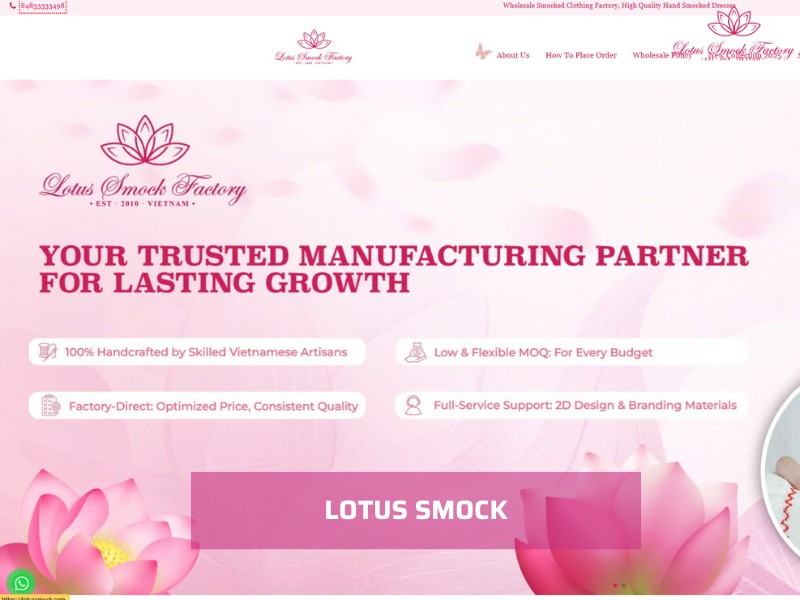
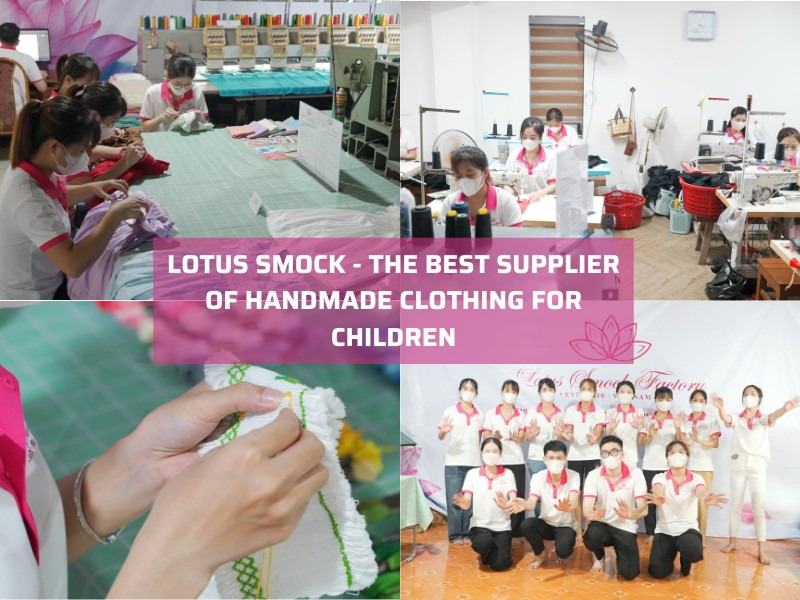
Lotus Smock specializes in children’s clothing with a strong focus on hand-smocked garments. The product range includes smocked dresses, bubbles, rompers, and coordinated sibling sets. Designs often feature detailed embroidery, picture smocking, and seasonal or event-based themes. Production emphasizes consistency across size runs, which helps boutiques maintain a clean, cohesive collection.
Lotus Smock supports custom fabrics, color palettes, and embroidery layouts. The factory works closely with buyers during pre-production, offering free 2D mock-ups so boutiques can review designs before committing to full runs. This reduces risk for seasonal drops and new launches.
Why Lotus Smock ranks first:
- Low MOQ per style, suitable for boutiques
- Clear production timelines
- Stable quality across repeat orders
- Strong control over embroidery and handwork
- Reliable reorders for best-selling designs
Ideal customer:
- Children’s boutiques
- Smocked clothing brands
- Event-based, holiday, and sibling collections
| Pros | Cons |
| Low MOQ for boutique orders | Focused mainly on children’s wear |
| Strong hand-smocking and embroidery | Not suitable for mass basics |
| Free mock-ups before production | Lead time longer than ready-made |
| Reliable repeat production | Seasonal demand planning needed |
2.2. HEM Apparel
Best for: Ethical fashion brands and startups
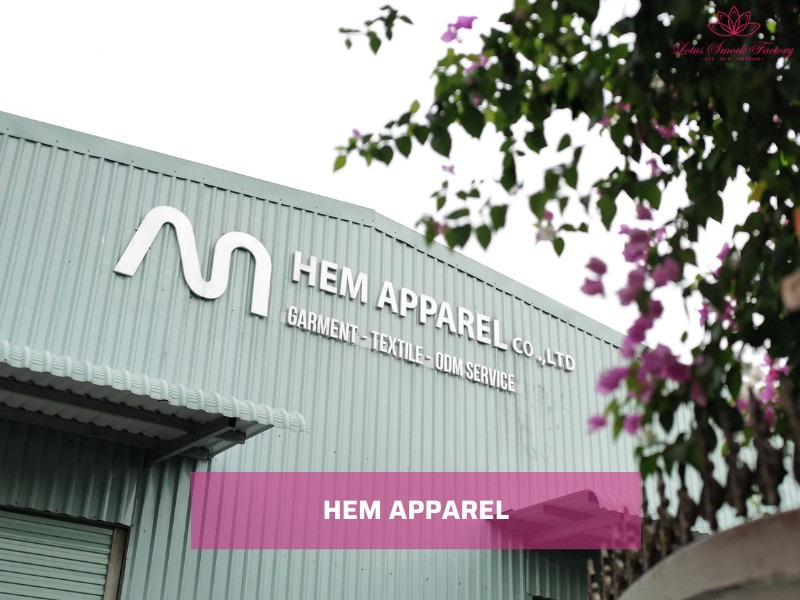
HEM Apparel focuses on sustainable and ethical apparel production. The company works well with startups and small brands seeking private-label clothing, especially casual and lifestyle garments. Materials and production processes align with sustainability goals, making HEM suitable for brands with ethical positioning.
| Pros | Cons |
| Ethical and sustainable focus | Limited decorative handwork |
| Startup-friendly MOQs | Less suitable for kidswear |
| Private-label support | Smaller production scale |
2.3. Thygesen Textile Vietnam
Best for: Knitwear and fashion basics
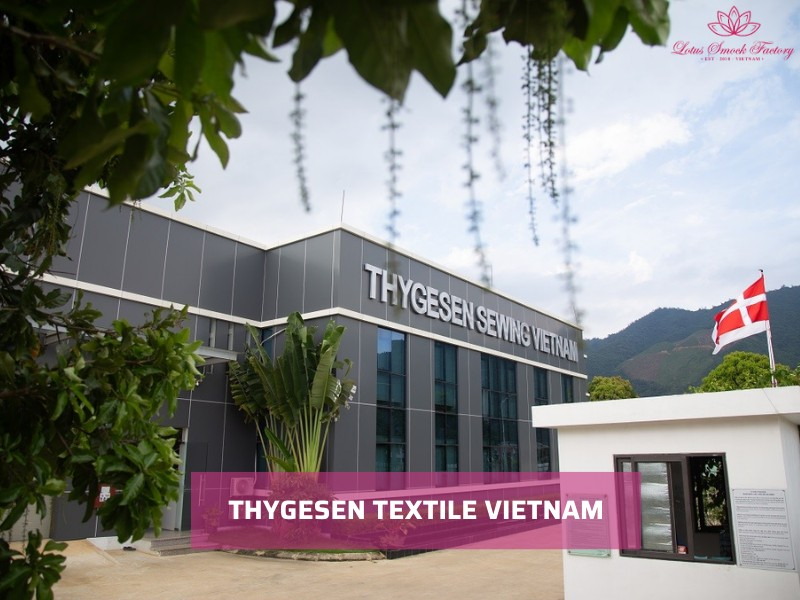
Thygesen Textile Vietnam specializes in knit garments such as T-shirts, sweatshirts, and casual wear. The company supports technical garment development and suits brands that need consistent quality for basics and athleisure.
| Pros | Cons |
| Strong knitwear expertise | Higher MOQs |
| Technical garment capability | Limited boutique detailing |
| Suitable for fashion basics | Less flexible for small runs |
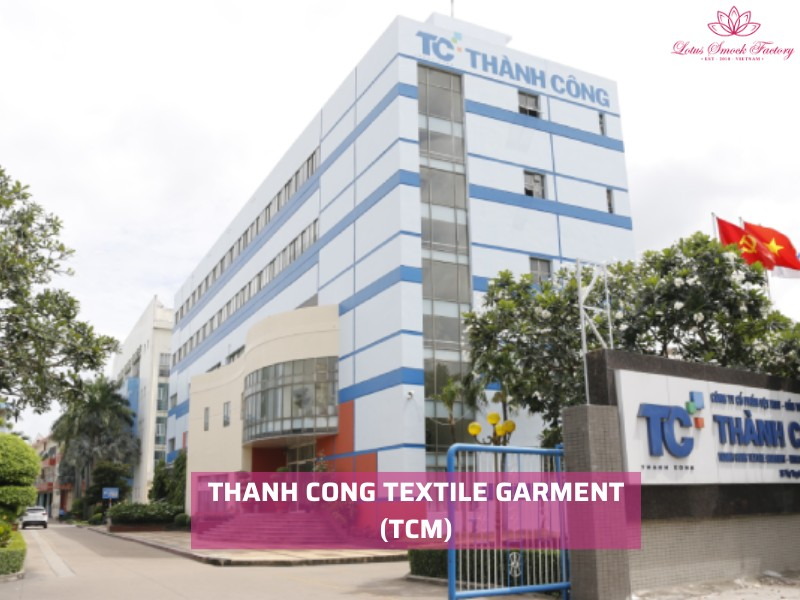
2.4. Thanh Cong Textile Garment (TCM)
Best for: Fabric-to-garment sourcing
Thanh Cong offers vertical integration, from fabric production to finished garments. This suits brands that want supply-chain control and consistent materials, especially for large or long-term programs.
| Pros | Cons |
| Full supply-chain integration | High MOQs |
| Fabric control | Less flexible for boutiques |
| Stable large-scale output | Limited customization |
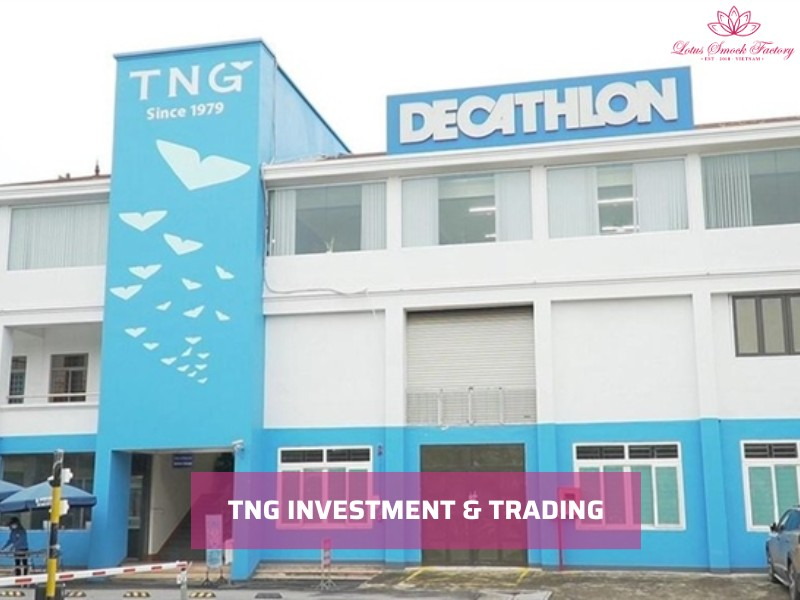
2.5. TNG Investment & Trading
Best for: Large volume apparel orders
TNG focuses on industrial-scale garment manufacturing. The company supports established brands that need large quantities, standardized designs, and stable delivery schedules.
| Pros | Cons |
| Large production capacity | Not suitable for small brands |
| Competitive pricing at scale | Limited design flexibility |
| Export experience | High order minimums |
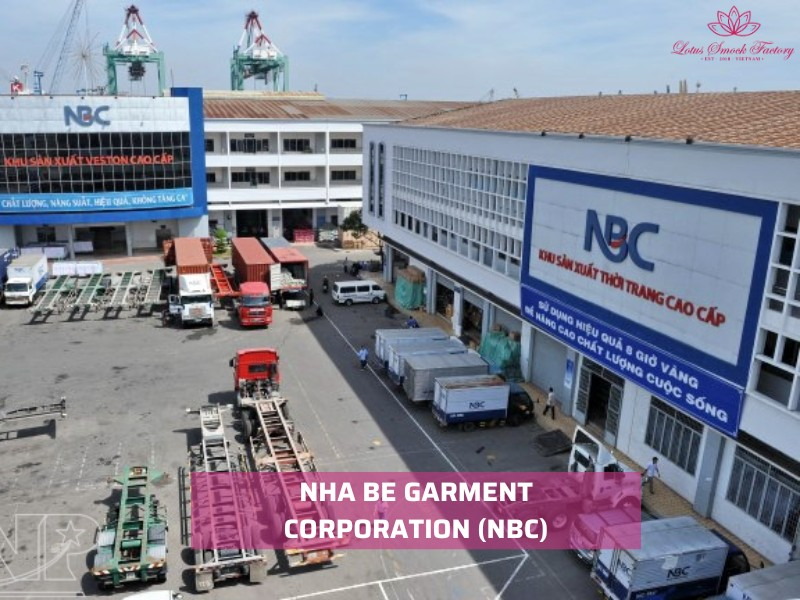
2.6. Nha Be Garment Corporation (NBC)
Best for: Traditional garment manufacturing
Nha Be Garment Corporation is one of Vietnam’s long-standing apparel producers. The company serves uniform programs and traditional apparel orders with stable, standardized production.
| Pros | Cons |
| Long industry experience | Less boutique-focused |
| Reliable basic manufacturing | Limited customization |
| Strong domestic presence | Higher MOQs |
3. How to Evaluate a Vietnam Wholesale Clothing Supplier (Checklist)
Use this checklist before contacting any supplier. It helps you compare options clearly and avoid common sourcing mistakes.
- Product Specialization
Start with focus product specialization. A reliable Vietnam wholesale clothing supplier usually specializes in a few product categories.
- Ask what they produce most often.
- Check if past work matches your product type, such as children’s clothing, boutique dresses, or smocked garments.
- Be cautious with suppliers that claim to make every type of clothing.
A clear product focus often leads to better quality and smoother communication.
- MOQ Clarity per Style
MOQ should be clear at the style level, not only per order.
- Ask for the minimum quantity per design and per size range.
- Confirm whether MOQs change for custom fabrics or embroidery.
- Make sure MOQs fit your budget and selling pace.
Unclear MOQs often cause delays or pricing changes later.
- Sampling and Mock-Up Process
Sampling shows how a supplier works before bulk production.
- Ask if they provide samples or digital mock-ups.
- Check how many revisions are allowed.
- Confirm the timeline for samples and approvals.
A structured mock-up process reduces mistakes in final production.
- Reorder Capability
Reorders matter more than first orders.
- Ask if the supplier keeps patterns and size specs on file.
- Confirm if repeat orders match the previous quality and measurements.
- Check the typical lead time for reorders.
Reliable reorders help you build consistent collections.
- Quality Control Steps
Quality control should happen at several stages.
- Ask how fabrics are checked before cutting.
- Ask how stitching, embroidery, or smocking is reviewed.
- Confirm if final inspection happens before packing.
Clear quality checks reduce returns and complaints.
- Export and Shipping Experience
Export experience affects delivery speed and accuracy.
- Ask which countries they ship to regularly.
- Confirm packing methods and shipping partners.
- Check if documents and timelines are handled in-house.
Strong export experience lowers shipping risk.
Note: Use this checklist before contacting any Vietnam wholesale clothing supplier. It saves time, sets clear expectations, and helps you choose a partner that fits your brand, not just your price target.
>>> Read more: Top 10 Wholesale Clothing Quality Standards Every Boutique Owner Must Know [2026 Update]
4. Ready-Stock Wholesale vs Made-to-Order Production in Vietnam
When sourcing Vietnam wholesale clothing, you usually choose between ready-stock wholesale and made-to-order production. Each model suits different business goals. Understanding the differences helps you control risk and plan inventory better.
- Ready-Stock Wholesale
Ready-stock means finished garments are already produced and stored.
Pros
- Fast delivery
- No production wait time
- Suitable for urgent restocks or small tests
Cons
- Limited styles, colors, and sizes
- No control over design details
- Inconsistent restock availability
- Hard to build a long-term collection
Ready-stock often works for generic items but creates limits for boutique brands.
- Made-to-Order Production
Made-to-order means production starts after you confirm designs, sizes, and quantities.
Pros
- Full control over fabrics, colors, and details
- Consistent sizing and repeatable styles
- Lower risk of leftover inventory
- Easier brand positioning
Cons
- Longer lead time
- Requires planning in advance
Most Vietnam factories operate on made-to-order because it matches their craftsmanship-based production model, especially for embroidery, smocking, and custom work.
- Why Vietnam Favors Made-to-Order
Vietnam suppliers focus on:
- Skilled handwork rather than mass stock
- Small to medium batch production
- Custom designs for boutiques and brands
Keeping large inventories increases cost and risk for factories, so made-to-order remains the standard approach.
- Inventory Risk Comparison
- Ready-stock: risk shifts to the buyer due to fixed styles and sizes
- Made-to-order: risk is lower because quantities match real demand
Made-to-order allows better forecasting and cleaner inventory flow.
- Best Choice by Collection Type
- Seasonal drops: made-to-order allows color and theme control
- Holiday collections: pre-planned production avoids overstock
- Sibling sets: made-to-order keeps designs consistent across sizes
For most boutique brands sourcing wholesale clothing in Vietnam, made-to-order production offers better control, lower long-term risk, and stronger brand consistency than ready-stock wholesale.
5. How to Stock Clothing with Lotus Smock
Stocking boutique clothing with Lotus Smock follows a clear, low-risk process. The model supports small orders, full customization, and reliable delivery, so you can plan seasonal or event-based collections with confidence.
Step 1: Choose Your Styles and Design Details
You begin by selecting the product types that fit your boutique and customer demand.
Common style options include:
- Smocked dresses (bishop or A-line)
- Bubbles and rompers for babies
- Shortalls or Jon Jons for boys
- Matching sibling sets
Then customize the details:
- Fabric: cotton poplin, voile, or other breathable woven cotton
- Colors: solids, gingham, or soft seasonal palettes
- Embroidery or smocking: picture smocking, simple motifs, wording, or monograms
- Silhouettes: collar shape, sleeve length, or yoke placement
- Add-ons: bloomers, matching accessories, or minor fit adjustments
Small design changes are welcome, which helps you tailor products to your local customers.
Step 2: Request a Free 2D Design Mockup
After sharing your design ideas, the Lotus Smock team prepares a free 2D mockup.
You can use the mockup to:
- Review the full design before production
- Share images in pre-order groups or social channels
- Collect feedback from customers
- Adjust details without commitment
No payment is required at this stage, which allows you to test demand before moving forward.
Step 3: Confirm Quantity and Size Mix
Once you are ready to proceed:
- MOQ: 30 pieces per style
- Sizes: typically from 3M to 6Y
- Sizes can be mixed within the same style
- Boys’ and girls’ items can be combined in one order
This setup helps avoid overstock while still covering key size ranges.
Step 4: Production and Shipping
After confirmation, production begins:
- Production time: 30–35 working days
- Optional live sample available for approval
- Photo updates shared during production
- Shipping: FedEx worldwide delivery in 5–7 days
This timeline allows you to receive stock ahead of planned launches or seasonal sales.
Step 5: Ongoing Reorders and Collection Planning
Lotus Smock keeps designs consistent across runs, so best sellers can be reordered without redesign work. This supports steady restocking and long-term collection planning.
If you want to stock handcrafted boutique clothing with controlled designs and flexible ordering, this process offers a clear and reliable path forward.
Contact Lotus Smock to Start Your smocked outfits Order:
- Facebook: facebook.com/lotussmockfactory
- WhatsApp: +84 83 333 3498
- Youtube: youtube.com/@LotusSmockFactory
>>> Read more: How Much Does It Cost to Start an Embroidery Business?
6. FAQs
Q1. What is the typical MOQ in Vietnam?
The typical MOQ for Vietnam wholesale clothing depends on the factory type. Large garment factories often require 300–1,000 pieces per style. Smaller or specialized factories usually offer lower MOQs, around 30–100 pieces per style. This lower entry level works well for boutiques that want to test new designs without heavy inventory pressure.
Q2. How long does production usually take?
Production timelines in Vietnam usually range from 25 to 45 working days. Simple designs with approved fabrics move faster, while hand-smocked or embroidered garments take longer due to manual work. Shipping by air commonly adds 5–7 days after production is complete.
Q3. Can small boutiques source safely?
Yes, small boutiques can source safely if they choose the right supplier. Factories that specialize in boutique or children’s clothing tend to support smaller orders, clear size mixes, and design consistency. Problems often appear when boutiques work with large factories built for mass production.
Q4. Is Vietnam good for children’s clothing?
Vietnam is well known for children’s clothing production. Many factories focus on fine sewing, embroidery, and hand smocking. Soft cotton fabrics and careful finishing suit baby and toddler garments. This makes Vietnam a strong option for boutique-quality children’s collections.
Q5. How do reorders usually work?
Reorders work best with factories that keep detailed production records. When designs, fabrics, and embroidery patterns stay consistent, repeat orders move faster than first runs. Many suppliers allow reorders with the same MOQ as the original order, which helps boutiques restock best sellers without redesigning.
7. Final Words
Vietnam wholesale clothing fits boutiques that value quality, planning, and growth. Suppliers in Vietnam support repeat orders, clear timelines, and consistent construction. Boutique owners gain better control over collections and reduce sourcing risk. If your business needs dependable partners and scalable production, Vietnam wholesale clothing deserves a serious look.
Explore the top suppliers below and choose partners that match your product focus and brand goals.