Ready to Smock Outfits Checklist: Avoid Mistakes Before Boutique Buy
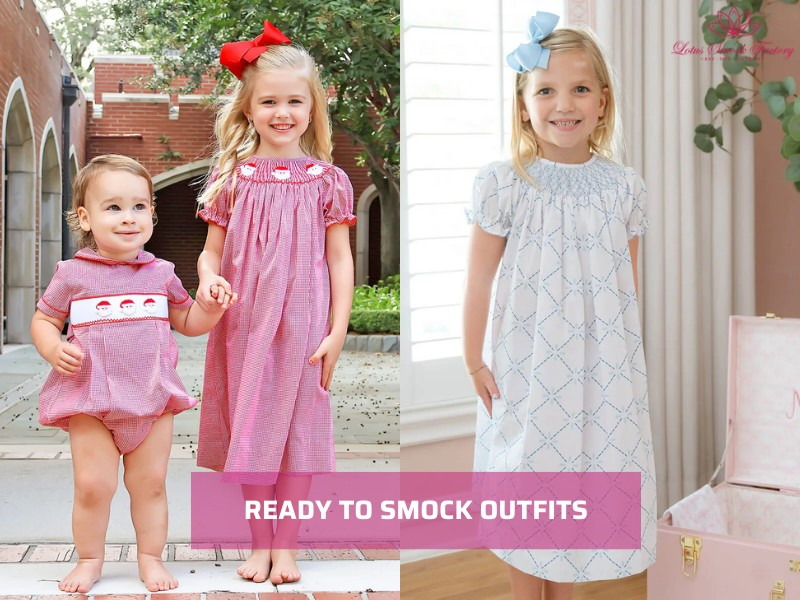
Ready to smock outfits are children’s garments prepared for hand smocking, with pleated fabric and a finished base shape but no embroidery yet. Parents, boutiques, and smocking artists choose ready to smock outfits when they want custom stitching, names, or themed designs added later. These outfits feel traditional and flexible. They suit dresses, bubbles, shortalls, and gowns for babies and young children.
Keep reading to see how they work, who buys them, and when they make sense for your shop or project.
1. What Are Ready to Smock Outfits?
Ready to smock outfits are children’s garments made specifically for hand smocking, but the smocking itself is not finished yet. You receive the base outfit fully sewn, shaped, and pleated. The embroidery and smocking stitches come later. Many buyers search for ready to smock clothing because they want control over the final design.
In simple terms, ready to smock outfits sit between raw fabric and finished smocked garments. You do not start from a flat piece of cloth. You also do not receive a completed smocked design. You receive a prepared garment that is ready for hand work.
What ready to smock outfits include:
- Fabric cut and sewn into a finished garment shape
- Pleated panels or inserts prepared for smocking
- Finished seams, hems, and closures
- A wearable base that holds its shape
What ready to smock outfits do not include:
- Finished smocking stitches
- Embroidery designs or text
- Decorative handwork on the pleated area
This difference matters because many shoppers confuse ready to smock outfits with finished smocked clothing. When you buy ready to smock clothing, you still need time, skill, or a smocking service to complete the garment.
Common types of ready to smock outfits
You often see ready to smock outfits offered in classic children’s styles:
- Dresses for everyday wear or formal events
- Bubbles and rompers for babies and toddlers
- Shortalls and jon jons for boys
- Gowns for newborns and special occasions
Parents often buy ready to smock outfits for custom family projects. Smocking artists buy them to save time on garment construction. Some boutiques offer them for customers who want personalized designs.
If you want a finished outfit right away, ready to smock clothing may not fit your needs. If you want control over names, motifs, or themes, ready to smock outfits give you a clear starting point.
2. Ready to Smock Outfits vs Finished Smocked Clothing
Many buyers confuse ready to smock outfits with finished smocked garments. The two serve different purposes and attract different customers. The table below shows the key differences using clear, practical criteria.
| Criteria | Ready to Smock Outfits (Smocking Blanks) | Finished Smocked Clothing |
| Production stage | Garment is fully sewn and pleated, but smocking and embroidery are not done | Garment is complete with hand smocking and finished embroidery |
| Level of completion | Base structure only | Ready to wear |
| Time to sell | Longer. Requires hand smocking before sale | Immediate. Can be sold as soon as stock arrives |
| Labor required | Buyer or artisan completes smocking | Labor completed by the manufacturer |
| Target customer | Smocking guilds, individual artisans, custom-order clients | Retail shoppers, gift buyers, boutiques |
| Design flexibility | High. Names, motifs, and themes added later | Fixed design chosen at production stage |
| Pricing approach | Lower upfront cost, higher labor input | Higher unit cost, clear retail pricing |
| Inventory risk | Lower if used for custom work | Higher if styles or sizes miss demand |
When is it appropriate to choose ready to smock outfits
Ready to smock outfits fit buyers who want control over the final look. They are common in:
- Custom or commission work for families
- Smocking guilds and hobby groups
- Individual artisans who stitch at home or on request
In these cases, time matters less than personalization. Buyers accept longer lead times because they want specific names, symbols, or layouts.
When finished smocked outfits are suitable for boutiques
Finished smocked outfits suit boutiques that focus on steady retail sales. They perform well when you need:
- Immediate sell-through
- Predictable collections by size and season
- Event-based demand such as holidays, church, or birthdays
Finished hand smocked clothing removes the extra step. You receive products ready for racks, photos, and online listings.
Tip: Many boutiques start with smocking blanks to test interest in smocked styles. Over time, they often shift toward finished smocked clothing. The reason is simple. Finished garments reduce labor, shorten selling time, and support consistent collections.
>>> Read more: Top 10+ Best Children’s Clothing Brands Superstores Industry
3. Most Popular Ready to Smock Outfit Styles
Ready to smock outfits sell because they give buyers control over the final design while keeping the garment structure stable. Over time, a few styles continue to lead demand. These styles repeat every year because they suit hand smocking well and cover the most common age ranges and occasions.
3.1. Ready to Smock Bishop Dresses
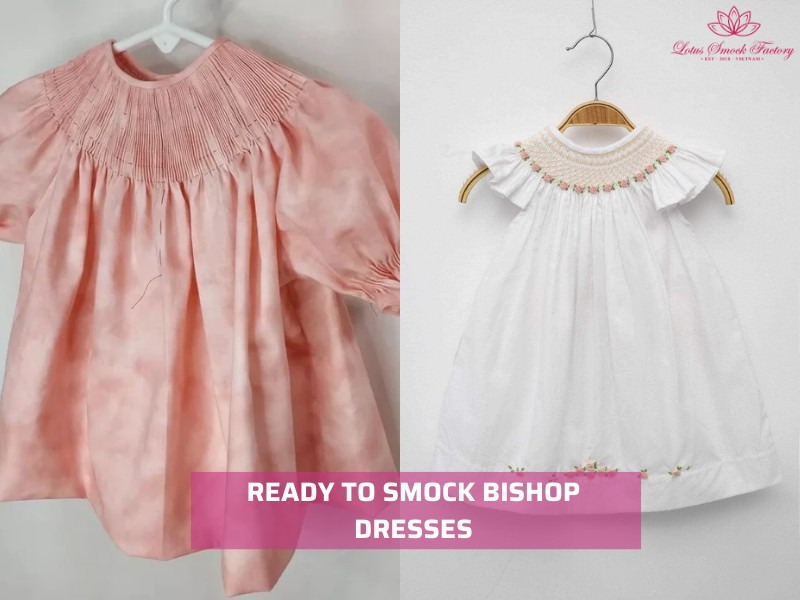
Ready to smock bishop dresses remain the most requested style in this category. The dress has a loose, rounded silhouette with a smocking plate set at the neckline. The pleats are prepared evenly, which helps hand smocking sit clean and balanced.
Best-selling sizes usually fall between 12M and 4T. Parents and makers prefer this range because the fit allows growth and does not feel tight at the waist or chest.
Buyers choose ready to smock bishop dresses for several reasons:
- The loose shape reduces fit concerns.
- The neckline smocking area suits many stitch patterns.
- The dress adapts well to seasonal themes and sibling coordination.
From a commercial view, bishop dresses reduce sizing hesitation. That makes them a safer choice for both custom orders and small batch production.
>>> Read more: What Is a Bishop Dress: A Complete Guide for Parents and Boutique Owners
3.2. Ready to Smock Bubble Rompers
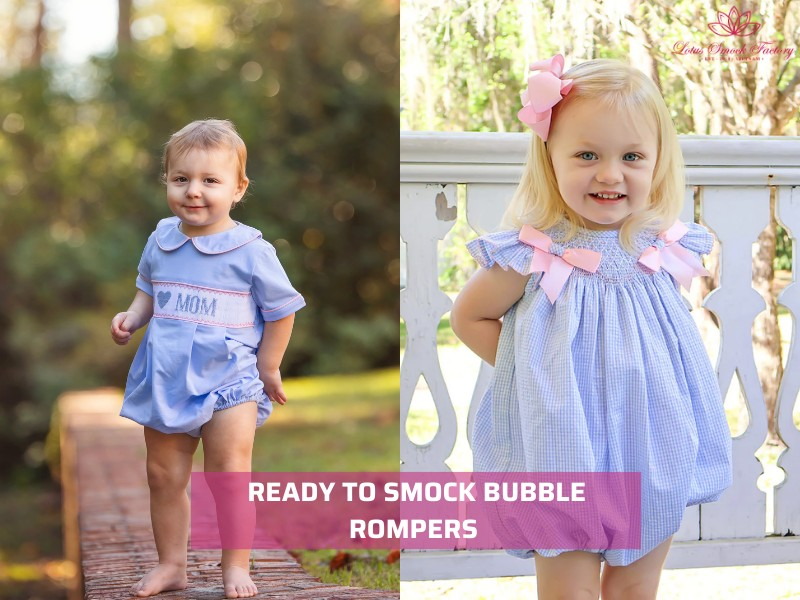
Ready to smock bubble rompers dominate demand for younger children. These are one-piece garments with prepared pleats across the chest and gathered legs. The design supports both comfort and visual balance after smocking.
Core sizes range from NB to 24M, with the strongest demand between 3M and 18M.
Common uses include:
- First birthday outfits
- Holiday wear
- Photo sessions and family events
Parents favor bubble rompers because they allow movement while keeping a neat shape. Makers prefer them because the smocking panel stays centered and visible in photos. For boutiques and custom sellers, bubbles attract buyers who want a polished look without choosing a full dress.
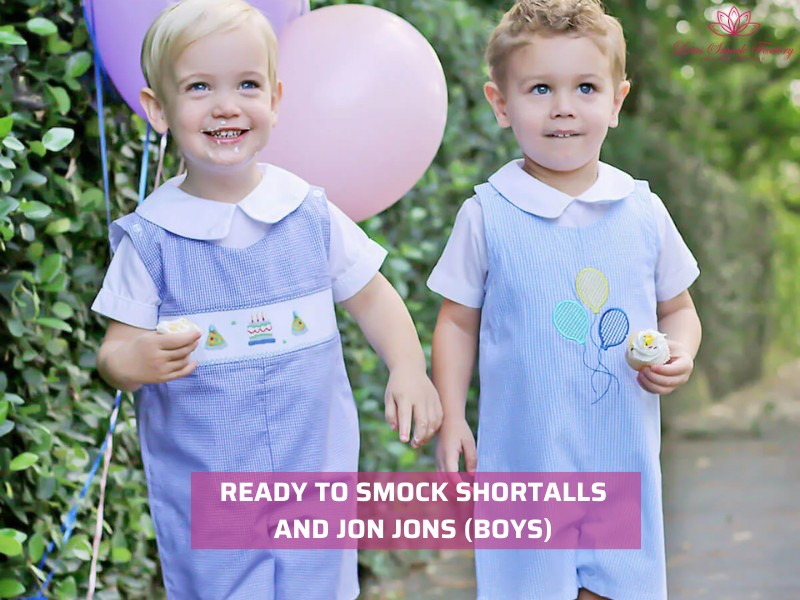
3.3. Ready to Smock Shortalls and Jon Jons (Boys)
For boys, ready to smock shortalls and jon jons fill a steady gap in the market. These outfits offer structure without stiffness. The smocking panel usually sits at the chest, making it suitable for simple text or small motif embroidery.
The strongest size range is 12M to 4T. These outfits often appear in sibling collections, especially when paired with dresses or bubbles for sisters.
Buyers select this style because:
- The outfit suits formal and casual events.
- The shape stays neat during wear.
- The smocking area works well for names or symbols.
From a business angle, shortalls and jon jons support balanced collections. They help boutiques avoid focusing only on girls’ items and improve family-based order value.
3.4. Ready to Smock Gowns
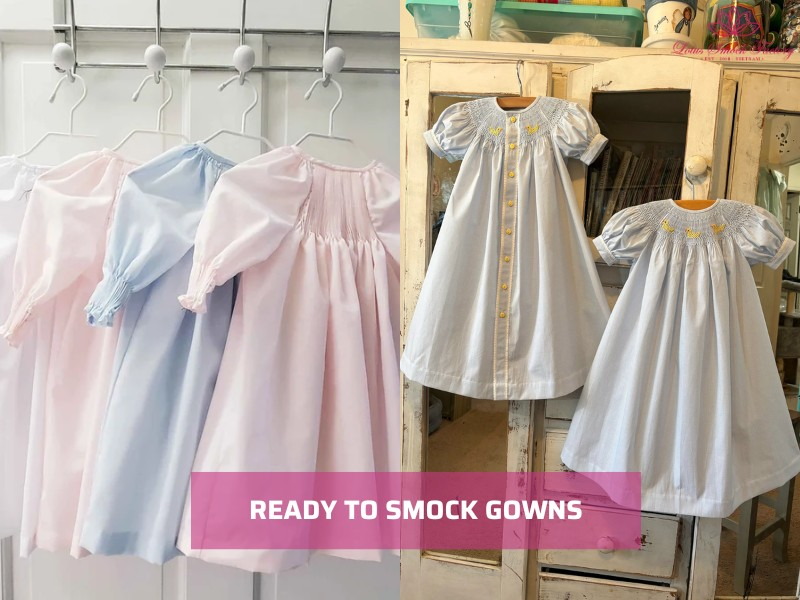
Ready to smock gowns serve a more specific market but remain consistent in demand. These garments target newborns and the heirloom segment. The gown usually features long length, soft fabric, and a prepared smocking plate at the chest or yoke.
Typical uses include:
- Coming-home outfits
- Keepsake pieces
- Portrait photography
Buyers choose gowns when the goal is memory rather than daily wear. Hand smocking adds personal value, which makes gowns suitable for gifting and long-term keepsakes. Although the selling window is shorter, the emotional value stays high.
Boutique takeaway: These ready to smock outfit styles repeat year after year because they match how smocking is used in real life. They cover core age ranges, support personalization, and reduce fit risk. For boutiques and makers, focusing on bishop dresses, bubble rompers, shortalls, and gowns creates a stable base that aligns with long-term demand rather than short trends.
4. Quality Factors Boutiques Check Before Purchasing Ready to Smock Clothing
When you buy ready to smock clothing, the final result depends on the base garment. Hand smocking cannot fix poor preparation. For boutiques and makers, checking quality before purchase protects time, materials, and reputation. Smocking quality starts before the needle touches fabric.
4.1. Fabric preparation
Choosing the right fabric affects how pleats hold and how stitches sit.
- Cotton poplin remains the most common option. The fabric has a smooth surface and stable weave. Pleats stay defined during stitching and washing. Stitches appear clean and even.
- Lightweight cotton blends suit warmer climates and seasonal collections. The fabric feels soft but must still hold structure. If the weave is too loose, pleats relax and smocking loses shape.
Before buying, check fabric weight and finish. Fabric should feel firm enough to keep pleats crisp but soft enough for needlework.
4.2. Construction details
Construction determines whether smocking stays balanced across the garment.
- Even pleating is the first sign of good preparation. Pleats should match in depth and spacing across the entire smocking plate. Uneven pleats cause crooked rows and distorted patterns.
- Clean seams matter more than many buyers expect. Rough seams pull on pleats and shift the smocking area during wear.
- Snap placement applies to bubbles and rompers. Snaps should sit flat and align properly. Poor snap placement creates tension near the smocking panel and affects comfort.
Always lay the garment flat and inspect symmetry before purchase.
4.3. Why preparation matters
Poor preparation leads to poor results, even with skilled smocking.
Common problems include:
- Wavy or slanted smocking rows
- Tight areas that restrict stretch
- Designs that lose shape after washing
These issues trace back to fabric choice and construction, not stitching technique.
Key takeaway: Ready to smock clothing sets the foundation for the finished piece. When pleats, fabric, and seams meet proper standards, smocking stays clean, balanced, and durable. For boutiques, careful checks at this stage protect product quality long before embroidery begins.
>>> Read more: Top 10 Wholesale Clothing Quality Standards Every Boutique Owner Must Know [2026 Update]
5. From Ready to Smock to Finished Smocking: Why Many Boutiques Choose Lotus Smock
Many boutiques start with ready to smock outfits because the entry cost feels lower. Over time, real problems appear. These issues push boutique owners to look for finished smocked production that gives more control and stability.
5.1. Common problems with ready to smock outfits
Ready to smock clothing often comes from marketplaces or small suppliers. Quality and consistency vary from batch to batch. This creates risks once time and labor go into hand smocking.
Boutiques often face:
- Inconsistent blank quality: pleats, fabric weight, and construction change between orders
- No design control after smocking: once embroidery is added, mistakes or layout issues cannot be corrected
- No reorders of identical styles: popular pieces cannot be replicated exactly
- Limited scale for seasons: holiday or event demand becomes hard to meet
- Margin pressure: coordinating labor, materials, and timelines increases cost
These problems grow as order volume increases. What works for a few custom pieces becomes difficult for retail collections.
5.2. Why boutiques move to finished smocked production
Finished smocked production removes many of these limits. Instead of starting with blanks, boutiques receive completed garments that match approved designs.
Finished production supports:
- Controlled designs across every size
- Consistent embroidery placement and stitch balance
- Faster inventory turns, since items arrive ready to sell
Planning also becomes easier. Boutiques can prepare collections for:
- Holidays
- Birthdays
- Sibling and family sets
For many businesses, ready to smock outfits act as a learning stage. Finished smocking becomes the long-term solution once demand stabilizes.
5.3. How Boutique Trust Lotus Smock to Stock Ready to Smock outfits
Lotus Smock supports boutiques that want to move beyond ready to smock without jumping to high-risk volumes. The focus stays on repeatable quality, not one-off custom work.
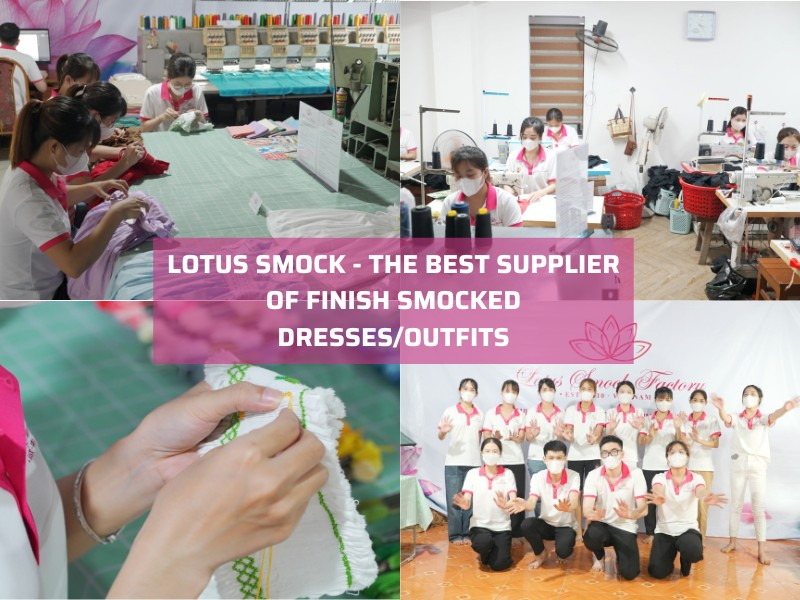
Lotus Smock offers:
- Design consistency across styles and sizes
- Repeatable production for best sellers
- Full size coverage for retail collections
Key features boutiques value include:
- Low minimum order quantities per style, suitable for small and growing shops
- Clear production timelines, so seasonal planning stays on track
- Preorder support, including mock-ups to validate designs before production
This model keeps the flexibility boutiques like from ready to smock, while removing the limits that block growth. Finished smocked production through Lotus Smock becomes a practical next step, not a risky leap.
Contact Lotus Smock to Start Your smocked outfits Order:
- Facebook: facebook.com/lotussmockfactory
- WhatsApp: +84 83 333 3498
- Youtube: youtube.com/@LotusSmockFactory
>>> Read more: Top 10 Wholesale Clothing Quality Standards Every Boutique Owner Must Know [2026 Update]
6. Final Words
Ready to smock outfits are suitable for buyers who value customization and classic smocking traditions. These garments fit families who plan custom embroidery and boutiques that serve niche or heirloom markets. For larger collections or event-based sales, finished smocked clothing may offer easier planning and faster turnover.
Before choosing ready to smock outfits, think about time, labor, and reorder needs. Explore the options carefully and decide which smocking model fits your business or personal use best.