Top 10+ Best Children’s Clothing Brands Superstores Industry
The best children’s clothing brands in superstores industry lead global kidswear trends by combining affordability, scale, and design. From Carter’s and Cat & Jack to Uniqlo Kids and H&M, these brands shape how parents shop for everyday essentials.
In this guide, you’ll see how top superstore brands grow, what makes them successful, and what boutique owners can learn from their strategies.
1. The Children’s Clothing Superstore Industry Overview
The children’s wear industry keeps growing as parents seek affordable, durable, and stylish clothes. Global data shows the wear market will reach about USD 280 billion by 2030, driven by rising family spending and growing middle-class demand.
Superstores like Walmart, Target, Tesco, and Aeon lead the mass-retail kidswear market thanks to price, convenience, and wide product variety. Parents prefer them for everyday essentials and schoolwear available in one stop.
Key kids’ clothing market trends shaping include:
- Sustainability: eco-fabrics and recycled materials.
- Gender-neutral designs: simple, inclusive collections.
- Quality basics: longer-lasting, practical pieces.
- Digital retail: online tools and faster delivery.
The children’s wear industry shows steady mass-market growth, while small-batch and boutique brands rise by offering sustainable and handcrafted alternatives.
2. Top 10 Best Children’s Clothing Brands in Superstores
The following list highlights the best children’s clothing brands in the superstore industry, based on sales, product quality, innovation, and accessibility. These brands dominate shelves across major retailers worldwide, blending value, design, and comfort to serve millions of families.
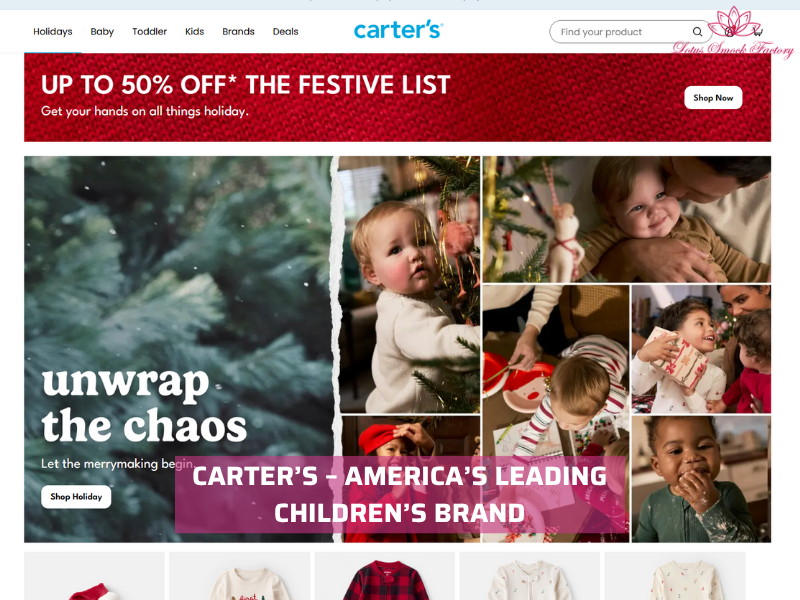
2.1. Carter’s – America’s Leading Children’s Brand
Carter’s has been a trusted name in U.S. kidswear for decades. Found in Walmart, Kohl’s, and its own outlets, the brand focuses on soft, durable clothing for newborns to young kids. Parents love its affordable prices and consistent sizing.
- Key Features: Classic babywear, everyday basics, seasonal collections.
- Best For: Parents seeking reliable and affordable essentials.
- Pros: Broad size range, frequent discounts, easy availability.
- Cons: Limited progress in sustainability programs.
2.2. Cat & Jack (Target) – Fast-Growing Private Label
Cat & Jack, Target’s private kidswear line, has quickly become one of the fastest-growing brands in U.S. retail. It focuses on playful designs, inclusive sizing, and gender-neutral fashion, appealing to modern families.
- Key Features: Trend-based designs, eco-friendly cotton sourcing.
- Best For: Style-conscious parents shopping on a budget.
- Pros: Fashion-forward, inclusive, and affordable.
- Cons: Quality consistency varies across product lines.
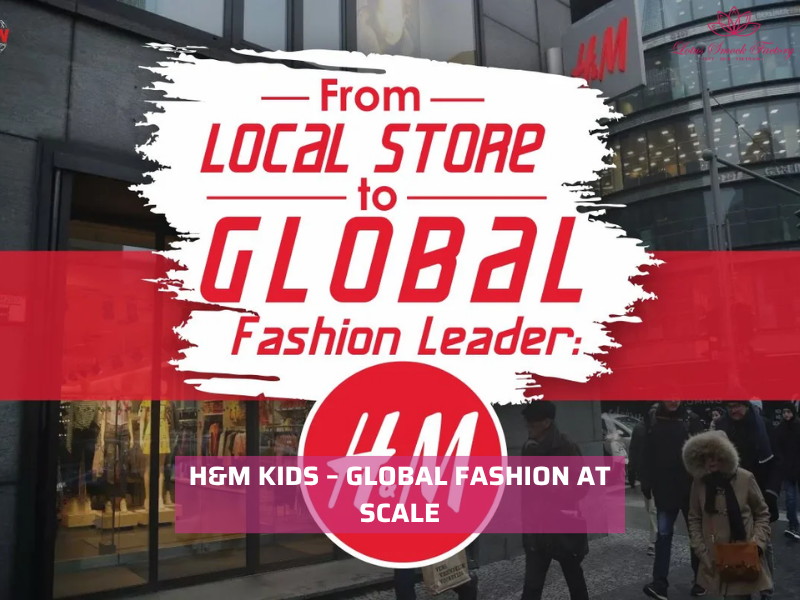
2.3. H&M Kids – Global Fashion at Scale
H&M Kids offers trendy, affordable children’s clothes worldwide. The brand introduces frequent new collections and continues to grow its organic cotton and Conscious lines, making sustainable fashion accessible.
- Key Features: Wide range, fast-fashion style, eco-material integration.
- Best For: Families who want fashionable looks at low cost.
- Pros: Global reach, stylish designs, strong sustainability communication.
- Cons: Shorter product lifespan due to fast-fashion model.
2.4. Uniqlo Kids – Minimalist Everyday Basics
Uniqlo Kids focuses on comfort and practicality over trends. Its Heattech and AIRism lines bring breathable and season-appropriate innovation to children’s wear, making it a popular choice in Asia-Pacific and global superstores.
- Key Features: Functional fabrics, minimalist design, high comfort.
- Best For: Parents seeking quality basics and durable daily wear.
- Pros: Excellent fabric innovation, consistent fit, great value.
- Cons: Limited color variety and design diversity.
2.5. OshKosh B’gosh – Denim Heritage Brand
Owned by Carter’s, OshKosh B’gosh is known for its sturdy denim and vintage-inspired playwear. It remains a staple in Walmart and U.S. department stores for durable, family-friendly fashion.
- Key Features: Denim overalls, playwear, timeless designs.
- Best For: Active toddlers and everyday school outfits.
- Pros: Long-lasting fabric, nostalgic design appeal.
- Cons: Smaller international presence than parent brand Carter’s.
2.6. George at Asda (UK Superstore Line)
George at Asda stands as one of the UK’s most successful private labels. It provides affordable, well-made children’s clothing that competes directly with high-street brands, focusing on practical family fashion.
- Key Features: Budget-friendly designs, everyday comfort, UK availability.
- Best For: Families looking for affordable schoolwear and basics.
- Pros: Good price-to-quality balance, wide store reach.
- Cons: Limited presence outside the UK.
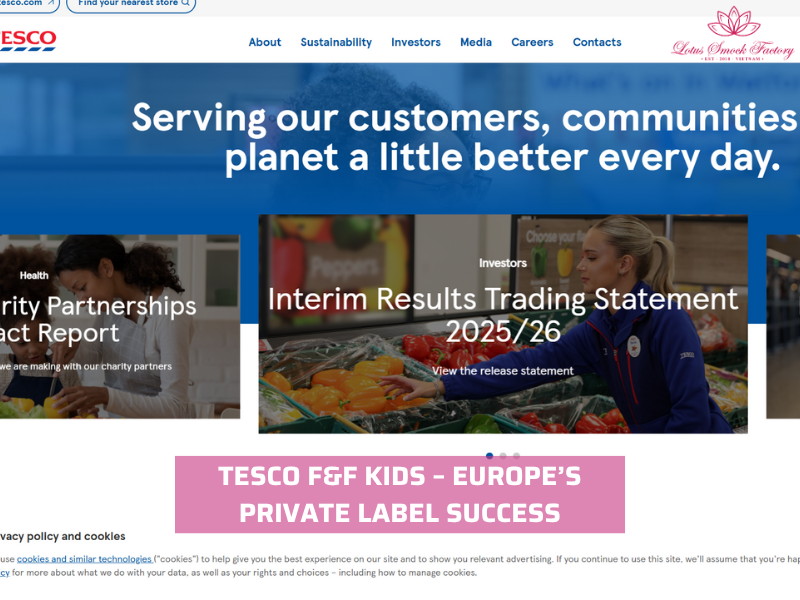
2.7. Tesco F&F Kids – Europe’s Private Label Success
F&F Kids, Tesco’s in-house label, has become a go-to brand for European families. It offers comfortable and stylish basics for all ages, with an expanding line of sustainable fabrics and recycled materials.
- Key Features: Schoolwear, casual sets, sustainable fabric use.
- Best For: European families seeking practicality and eco-conscious choices.
- Pros: Consistent quality, strong sustainability direction.
-

Cons: Limited design variety compared to global brands.
F&F Kids, Tesco’s in-house label, has become a go-to brand for European families
2.8. The Children’s Place – Value-Focused Apparel Chain
The Children’s Place blends mall retail and superstore distribution to stay visible in the U.S. market. Known for its colorful basics and frequent promotions, it’s popular among parents seeking value for money.
- Key Features: Affordable everyday fashion, activewear, basics.
- Best For: Budget-conscious parents shopping for variety.
- Pros: Frequent sales, bright designs, easy online access.
- Cons: Fabric quality varies; fewer sustainable collections.
2.9. PatPat & Shein Kids – Digital Superstore Equivalents
PatPat and Shein Kids represent the rise of online superstore models, offering massive selections of budget-friendly kidswear. Their global shipping and digital marketing dominate social platforms, especially among young parents.
- Key Features: Trend-driven designs, large online catalog, rapid delivery.
- Best For: Parents seeking low-cost, on-trend clothes.
- Pros: Affordable prices, wide style range, easy online access.
- Cons: Overproduction concerns and limited sustainability practices.
2.10. Lotus Smock – Boutique Craftsmanship Meets Global Reach
Based in Vietnam, Lotus Smock bridges the gap between boutique artistry and global wholesale supply. Each piece is hand-smocked and embroidered by artisans, offering premium quality for small retailers and boutiques worldwide.
Key highlights:
- Handmade smocked dresses and embroidered baby outfits.
- MOQ 30 pieces per style — ideal for small retailers.
- Production time: 30–35 working days + 5–7 days FedEx shipping.
- Free 2D mock-ups for custom pre-orders.
- Proven ROI: High resale margin, low financial risk.
- Best for: Boutiques and resellers seeking artisanal designs and small-batch flexibility.
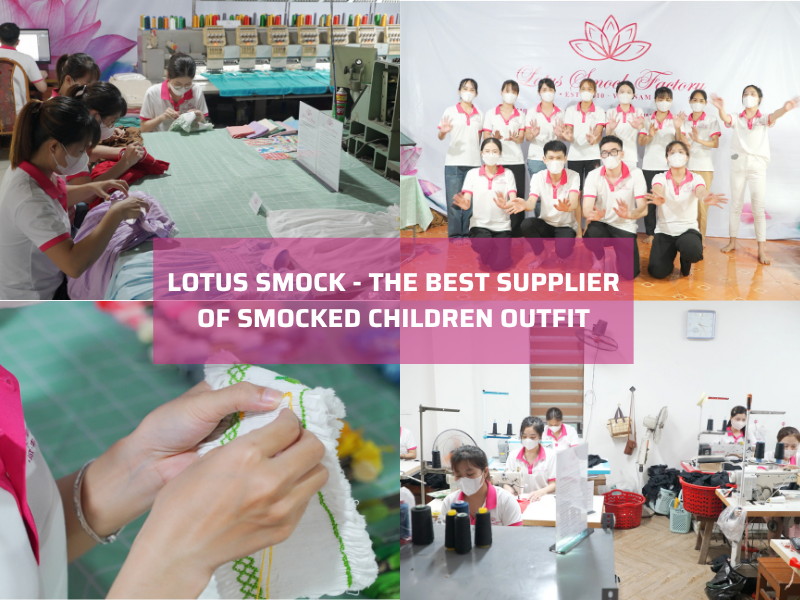
Boutiques can stay profitable and creative without mass production. Partner with Lotus Smock to bring handcrafted embroidery and timeless children’s fashion to your collection.
Contact Lotus Smock to Start Your Halloween Order:
- Facebook: facebook.com/lotussmockfactory
- WhatsApp: +84 83 333 3498
- Youtube: youtube.com/@LotusSmockFactory
=>>> Read more: Top 10 Wholesale Clothing Quality Standards Every Boutique Owner Must Know [2026 Update]
3. What Makes a Children’s Clothing Brand Successful in Superstores
To stand out in a competitive retail environment, the best children’s clothing brands in superstores focus on five key factors: pricing, product consistency, supply chain strength, sustainability, and brand trust. These elements define how a brand performs in mass retail and how it connects with millions of families worldwide.
3.1. Pricing and Volume Strategy
Superstores rely on high product turnover and affordable pricing to attract repeat customers. Successful kidswear brands find the right balance between low margins and mass production. Instead of chasing premium pricing, they focus on value through bulk sales and efficiency.
- Offer multiple price tiers to reach different income groups.
- Keep designs simple to reduce manufacturing costs.
- Use limited seasonal collections to control inventory waste.
Brands like Carter’s and George at Asda thrive because they maintain consistent value without sacrificing quality.
3.2. Consistent Quality and Fit
Parents stay loyal to brands that deliver reliable sizing and comfort. When a shirt or sleeper fits well every time, it builds trust and reduces return rates. This is one of the most powerful drivers of customer retention in children’s fashion.
- Use standardised size charts for each region.
- Focus on fabric softness and stretch for fast-growing children.
- Maintain color consistency across collections.
Brands such as Uniqlo Kids and OshKosh B’gosh are known for dependable fits and durable materials that withstand frequent washing.
3.3. Supply Chain Efficiency
A strong supply chain is what keeps superstore shelves full. Leading children’s brands invest in digital inventory systems and regional production hubs to shorten lead times and lower logistics costs.
- Source materials from multiple regions to avoid delays.
- Automate demand forecasting and stock replenishment.
- Coordinate with retail partners for real-time order tracking.
Brands with fast and flexible supply chains, like H&M Kids, can launch new collections every few weeks while staying profitable.
3.4. Sustainability Integration
Sustainability is now a core expectation in the children’s clothing industry. Parents are increasingly aware of how their choices impact the planet. Successful brands adopt sustainable practices without raising prices too much.
- Use organic cotton, bamboo, or recycled polyester.
- Adopt ethical labor practices across supply chains.
- Design recyclable packaging and promote clothing reuse programs.
Brands such as Cat and Jack and Tesco F&F Kids are already incorporating eco-friendly materials and transparent production methods into their collections.
3.5. Brand Storytelling and Trust
Even in a mass-market setting, brand identity matters. Superstores promote emotional connection through storytelling, highlighting heritage, craftsmanship, or social impact.
- Share the brand’s mission and values across packaging and social media.
- Highlight community projects, child development programs, or artisan partnerships.
- Create emotional bonds with parents through relatable campaigns.
For example, Lotus Smock builds trust through transparency and craftsmanship, showing how each dress is hand-smocked by Vietnamese artisans. Meanwhile, larger players like Carter’s emphasize family connection and heritage.
4. Market Trends Shaping the Kidswear Superstore Industry
The kidswear superstore industry continues to evolve quickly as family lifestyles, technology, and environmental values change. Major brands are adapting to meet new expectations in style, sustainability, and convenience. Below are the top kidswear trends that define how large retailers and fashion houses operate today.
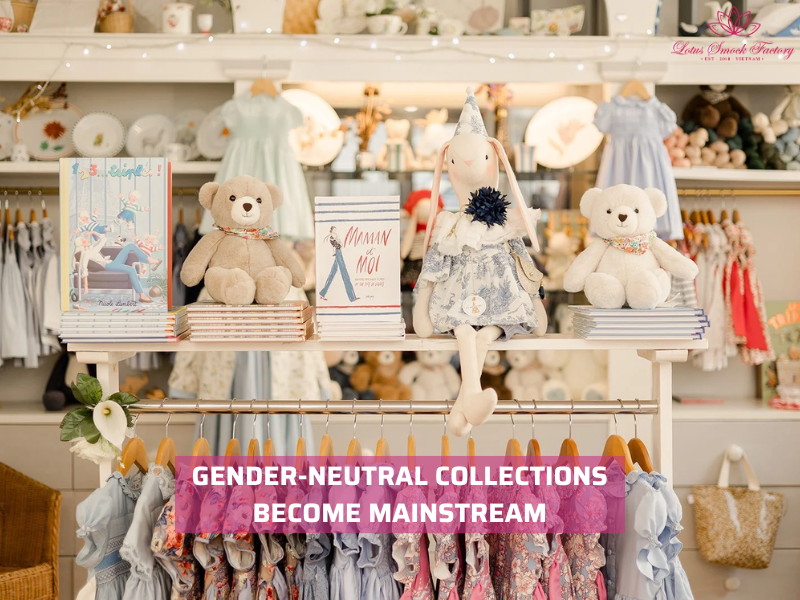
4.1. Gender-neutral collections become mainstream
The trend toward gender-neutral children’s fashion has moved from niche to mainstream. Parents now prefer simple, flexible designs that focus on comfort rather than traditional “boy or girl” categories.
- Neutral tones such as beige, olive, and cream dominate new collections.
- Unisex designs make wardrobe planning easier for families with multiple children.
- Brands like Cat & Jack and H&M Kids have already launched inclusive, mix-and-match lines.
This shift is reshaping how sustainable children’s fashion brands market their products, focusing on versatility, longevity, and inclusivity.
4.2. Tech-enabled production and smarter sizing
Technology plays a key role in improving how brands design and produce clothing. AI sizing tools and 3D design software now help retailers reduce waste and improve fit accuracy.
- AI analyzes customer data to create more precise size charts.
- 3D garment visualization speeds up prototyping and reduces fabric waste.
- Some superstores test “virtual fitting” features on mobile shopping apps.
These innovations allow superstores to launch new collections faster and with fewer returns, a major advantage in the fast-paced retail world.
4.3. Eco-friendly fabrics gain dominance
Parents are more conscious about where and how their children’s clothes are made. Demand for eco-friendly fabrics such as organic cotton, bamboo, and recycled polyester continues to grow.
- Organic cotton provides softness and skin safety for babies and toddlers.
- Bamboo fibers are lightweight, breathable, and biodegradable.
- Recycled polyester reduces waste while keeping clothing durable.
Superstores like Tesco F&F and George at Asda are expanding their green collections, while global brands like Uniqlo Kids and H&M integrate sustainability into every new release.
4.4. Collaborations and limited-edition collections
Partnerships between kidswear brands and popular media or celebrities have become a key growth driver. Limited-edition collaborations help superstores attract younger parents and create excitement around seasonal collections.
- Cartoon tie-ins (Disney, Marvel, Peppa Pig) remain strong in early childhood fashion.
- Celebrity or influencer partnerships help connect brands with social media audiences.
- Limited drops promote faster sales and build brand exclusivity even in mass retail.
4.5. The Comparison of Boutique vs Superstore Clothing Brands
The children’s clothing market is no longer divided strictly between mass retail and handmade fashion. Both superstore brands and boutique labels now play vital roles in shaping parents’ buying choices. While superstores dominate through affordability and scale, boutique brands like Lotus Smock attract buyers who value craftsmanship and authenticity.
Below is a clear comparison of how the two models differ:
| Factor | Superstore Brands | Boutique Brands (e.g., Lotus Smock) |
| Production Scale | Mass-produced (over 100,000 pieces) | Small batch (30–200 pieces per style) |
| Design Style | Trend-based and seasonal | Timeless, hand-crafted, often embroidered |
| Material Quality | Mixed synthetics and cotton blends | 100% cotton or linen for softness and durability |
| Lead Time | 7–15 days | 30–35 working days (handmade process) |
| Customer Base | Price-sensitive families | Quality-focused parents and boutique retailers |
Superstores thrive on volume and accessibility, giving families quick and affordable access to daily wear. Their main strength lies in efficient logistics and constant style updates. However, fast production often means limited originality and less focus on fabric longevity.
Boutique brands, in contrast, operate on authenticity and craftsmanship. They highlight heritage techniques such as smocking and hand embroidery, offering each piece as a work of art rather than a commodity. For example, Lotus Smock creates handmade children’s garments with attention to detail, using natural fabrics and customizable embroidery.
=>>> Boutiques are finding the list of dresses for newborns, let’s check: Top 10+ Smocked Dresses for Newborns That Boutiques Should Stock [Latest Update]
6. How Boutiques Can Compete With Superstore Brands
Boutiques may not match the scale or pricing of global superstores, but they can win in areas that mass retailers cannot replicate: authenticity, personalization, and storytelling. With the right boutique children’s clothing strategy, small brands can attract loyal customers who value quality and meaning over volume.
- Focus on niche design
Boutiques should specialize in designs that stand out from mass-market collections. Techniques like hand smocking, embroidery, and limited-edition releases create emotional value and exclusivity. Parents love clothing that feels special, pieces that tell a story or celebrate family moments.
- Introduce small seasonal collections with detailed craftsmanship.
- Use traditional stitching or region-specific styles to express cultural identity.
- Highlight the difference between handmade detail and factory-produced prints.
- Offer customization
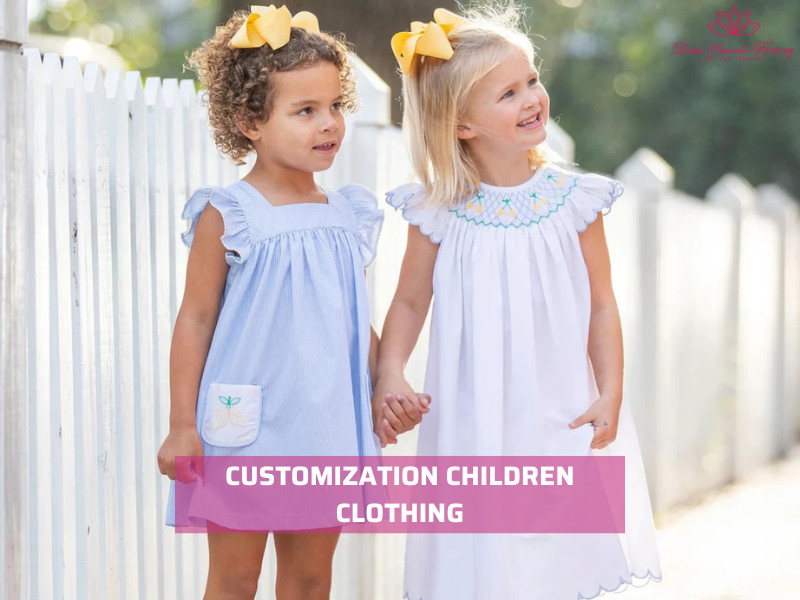
Customization builds personal connection and brand loyalty. Small-batch kidswear makers can provide services that superstores cannot, such as monogramming, name embroidery, or sibling matching sets.
- Let customers choose fabric colors, thread shades, or motifs.
- Promote “made-for-you” options for birthdays, holidays, and family photos.
- Create flexible size adjustments to reduce returns and improve satisfaction.
This personal touch helps boutiques compete through emotional value rather than price.
- Leverage digital storytelling
Boutiques can use digital storytelling to showcase their brand identity and connect with parents on a deeper level. Highlighting artisan profiles, behind-the-scenes videos, and transparent sourcing makes each purchase meaningful.
- Share how artisans handcraft each garment.
- Post before-and-after visuals of smocking or embroidery work.
- Use social media to talk about craftsmanship instead of mass promotion.
This storytelling turns your small business into a brand parents trust and remember.
- Collaborate with local retailers or micro-influencers
Partnerships amplify visibility without the huge advertising budgets of superstores. Working with local boutiques, online retailers, or micro-influencers helps small brands reach niche audiences.
- Offer capsule collections or co-branded products with trusted partners.
- Gift samples to parenting influencers for honest reviews.
- Join local baby fairs or sustainable fashion pop-ups.
These collaborations build credibility and word-of-mouth awareness, a powerful asset for small-batch kidswear brands looking to grow organically.
7. Final Words
The children’s clothing superstore industry continues to grow through innovation, sustainability, and global reach. Brands like Carter’s, Cat & Jack, and H&M dominate mass retail, but boutique producers such as Lotus Smock show how craftsmanship and storytelling create long-term value. Superstores focus on price; boutiques focus on purpose. Both can thrive in the new kidswear landscape.
Explore more insights below and see how your brand can find its place in this evolving market.