
Difference Between Sleepsuit and Romper: Parents & Boutique Guide [2026]
The difference between sleepsuit and romper is one of the most common questions parents ask when shopping for infant clothing. Understanding these distinctions helps you pick the right outfit for your baby’s comfort and seasonal changes. A sleepsuit is a one-piece garment covering arms, legs, and sometimes feet, designed for nighttime warmth and sleep, while a romper is lighter, often short-sleeved or sleeveless, and ideal for daytime play and mobility.
In this guide, you will learn how each garment differs, when to use them, fabric and safety considerations, and why boutiques benefit from stocking both for baby clothes
1. What Is the Main Difference Between Sleepsuit and Romper?
The primary difference between sleepsuit and romper involves their design and intended use. A sleepsuit provides full-body coverage with long sleeves and enclosed feet to keep babies warm during rest. In contrast, a romper features a lighter design with shorter legs and open feet to allow for cooling and easy movement during the day. The difference between sleepsuit and romper comes down to one core distinction: one is built for rest, the other for play.
1.1. What Is a Sleepsuit?
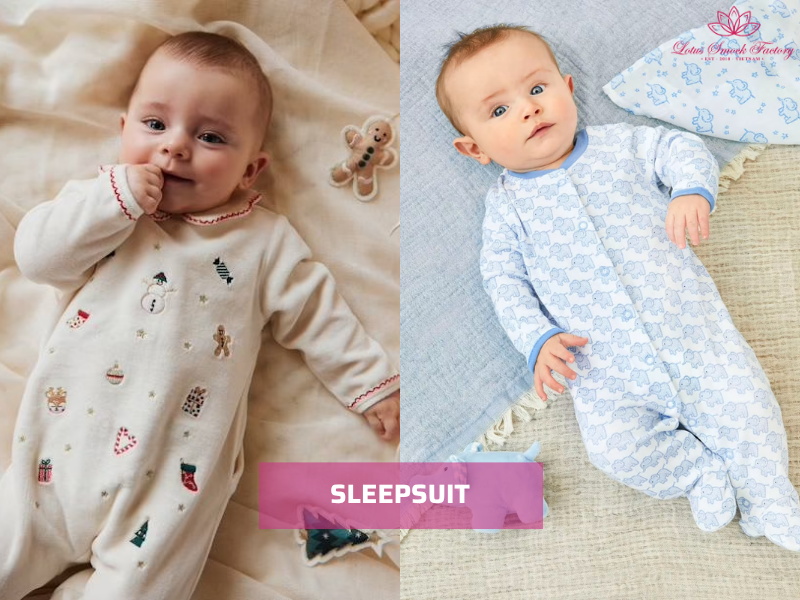
A sleepsuit is a one-piece garment that covers the arms and legs. Most styles include built-in feet to keep infants warm without using loose blankets.
- Closures: These garments use zips or poppers for quick changes.
- Fabrics: Manufacturers often use soft cotton or fleece for warmth.
- Main Use: You should use sleepsuits for nighttime sleep or naps.
- Target Age: They suit newborns, but sizes often extend to 12 months.
1.2. What Is a Romper?
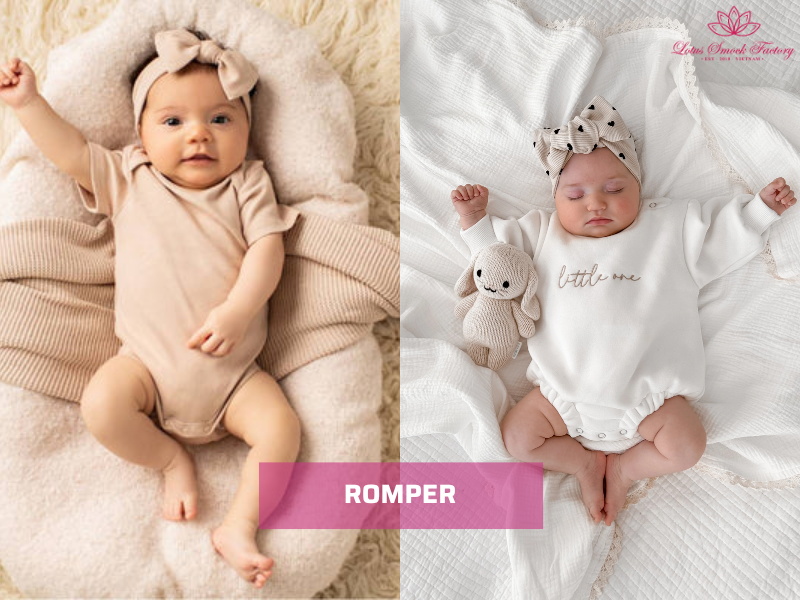
A romper is a one-piece outfit that combines a top with shorts or trousers. It provides a casual look for daytime activities and outings.
- Design: Most rompers are short-sleeved or sleeveless to prevent overheating.
- Movement: The open-leg design makes them ideal for babies who are crawling or walking.
- Diaper Changes: Snaps at the crotch allow you to change diapers easily.
- Fabrics: Common materials include lightweight linen, jersey, or cotton.
1.3. Key Differences Between Sleepsuit and Romper
When parents understand the difference between sleepsuit and romper, they can choose the right outfit for their baby’s needs. While both are one-piece garments, they serve distinct purposes depending on time of day, season, and activity level. The table below breaks down the difference between sleepsuit and romper across 6 key features.
| Feature | Sleepsuit | Romper |
| Length | Long sleeves & legs | Short sleeves / short legs |
| Coverage | Often includes feet | Leaves legs exposed |
| Use | Nighttime, cooler seasons | Daytime, warmer seasons |
| Fabric | Cotton, fleece, brushed knit | Cotton, linen, jersey |
| Age Suitability | Common for newborns | Great for 6M+ active babies |
Besides the key features we mention on the table, parents should follow the difference between sleepsuit and romper below to choose wisely :
- The Day vs Night Rule: Sleepsuits provide full-body warmth for nighttime or naps. Rompers allow freedom of movement for daytime play and family outings.
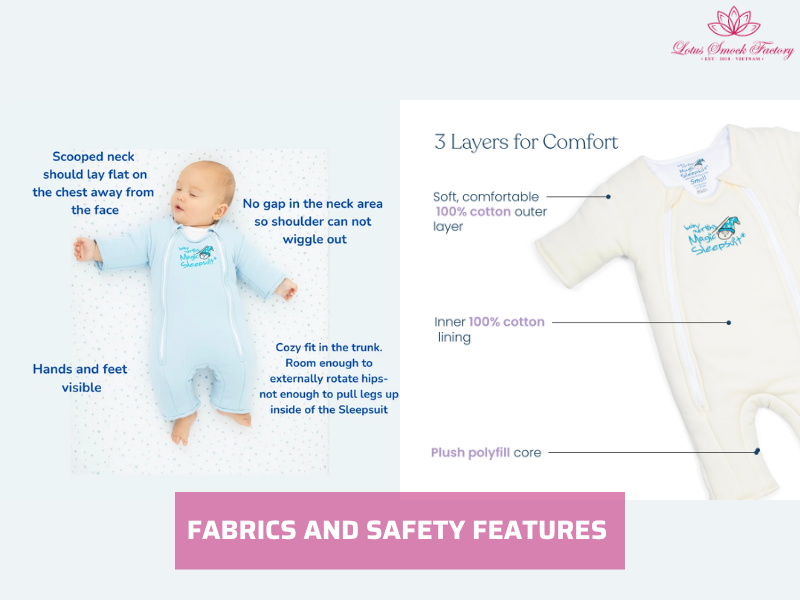
- Comfort & Safety: Sleepsuits keep babies cozy in winter or cold weather by regulating body temperature. Rompers are better for summer or warmer climates because breathable fabrics.
- Convenience: Rompers make diaper changes easier thanks to crotch snaps. Sleepsuits are more convenient for overnight use because they keep the baby warm without the need for loose blankets.
By understanding these differences, parents can confidently select between sleepsuits and rompers to meet both comfort and practicality needs for their baby.
=>>> Check how to keep your baby comfortable in different seasons with our guides: [How Do You Dress a Newborn in Summer?] and [How Do You Dress a Newborn in Winter?], so you know when to choose a romper or a sleepsuit.
1.4. Understanding TOG Ratings for Safe Sleep
To follow safe sleep guidelines outlined by pediatric experts (like the AAP), parents should choose infant clothing based on room temperature rather than outdoor weather. This is where the TOG (Thermal Overall Grade) rating becomes essential.
- 0.5 to 1.0 TOG (Lightweight): Perfect for summer or warmer rooms (74°F – 78°F). A breathable cotton romper or a thin footless sleepsuit works well to prevent overheating.
- 2.5 TOG (Winter Weight): Ideal for chilly nights and air-conditioned nurseries (61°F – 68°F). A thicker, footed sleepsuit is the safest choice to keep infants warm without using dangerous loose blankets in the crib.
Besides understanding the difference between sleepsuit and romper, TOG ratings helps you confidently pick between a breathable daytime romper and an insulated nighttime sleepsuit. TOG ratings give parents a science-based way to apply the difference between sleepsuit and romper to real room conditions every night.
2. Common Mistakes Parents Should Avoid
Parents often come into some problems after buying sleepsuit and romper. Many of these mistakes result from not fully understanding the difference between sleepsuit and romper before making a purchase.
- Using rompers as sleepwear in winter: Rompers usually have short sleeves or legs, leaving babies exposed to cold. Choosing a footed sleepsuit during colder nights helps maintain body warmth and reduces the risk of chills.
- Over-layering under sleepsuits: Adding too many layers beneath a sleepsuit can cause overheating, which is unsafe for newborns. Parents should select breathable fabrics like cotton or organic cotton and avoid heavy blankets inside the sleepsuit.
- Confusing rompers with bodysuits/onesies: Many parents assume all one-piece garments are the same. Rompers are designed for daytime mobility, while bodysuits or onesies provide a base layer for warmth or layering. Misusing them can reduce comfort and complicate diaper changes.
Understanding the difference between sleepsuit and romper helps parents make informed clothing choices for each age, activity, and season, keeping babies safe, warm, and comfortable.
3.Why Boutique Owners Should Stock Sleepsuits and Rompers
If you are a boutique owner who has researched the difference between sleepsuit and romper, this section helps you turn that knowledge into a profitable sourcing strategy. You should stock both sleepsuits and premium smocked birthday dresses to reach a broader customer base.
Basic sleepsuits cater to parents seeking practical daily wear. Meanwhile, rompers attract customers looking for breathable clothing for photos, holidays, and gifting. Boutique owners can benefit in multiple ways from earning higher profits to raising customer loyalty.
- Seasonal Demand: Sleepsuits drive consistent revenue in fall and winter while Rompers pick up in spring and summer as parents look for lightweight, breathable daywear. Together, they ensure your boutique has relevant product lineups in every season.
- Upselling Opportunities: Pairing a sleepsuit with a matching romper or smocked dress allows boutiques to increase average order value through coordinated sets, sibling bundles, or gift packages.
- Customer Loyalty: Offering high-quality, customizable clothing encourages repeat purchases from parents who value exclusive and personalized designs.
- Higher Margin: Hand-smocked rompers and boutique-quality sleepsuits charge higher retail prices than machine-made alternatives.
Boutiques that communicate the difference between sleepsuit and romper clearly to customers tend to see stronger brand trust and higher repeat purchase rates.
4. Where to Find Reliable Wholesale Sleepsuit and Romper Suppliers?
There are many wholesale smocked clothing suppliers worldwide that can export products globally. When searching for the right partner, you must consider the manufacturing focus of different regions.
For example, suppliers in China and other Asian countries often focus on large-scale mass-produced products. In contrast, Vietnam focuses on providing the highest quality products through artisanal craftsmanship.
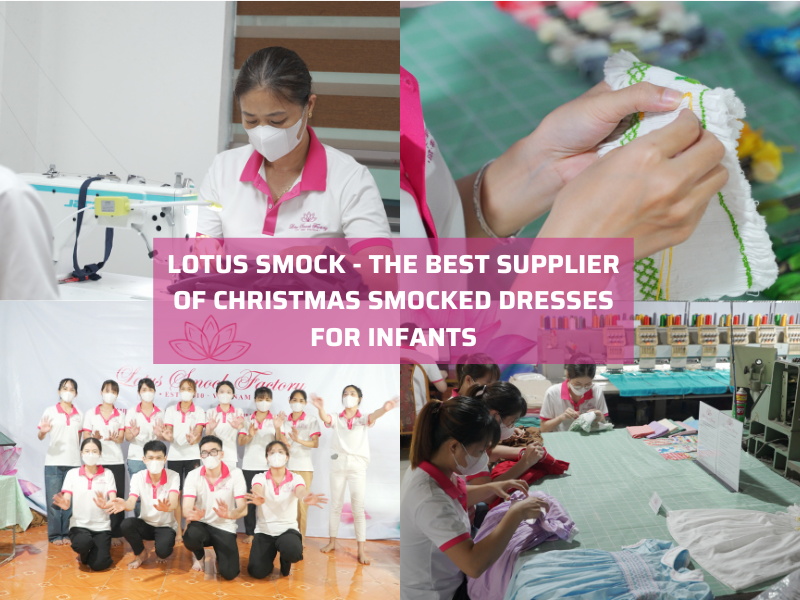
Among Vietnam wholesale clothing, Lotus Smock is a trustworthy wholesale manufacturer specializing in premium, hand-smocked children’s wear.
While they offer both sleepsuits and rompers as part of their collection, their approach focuses on “beyond basic” designs for both boys and girls. Their rompers are a core product line, providing comfortable bodysuit-style leg portions for daytime wear at a standard wholesale price of $20 per piece.
Furthermore, Lotus Smock understands the specific demands of the US and UK markets. Our manufacturing process can integrate trending functional details, such as convertible foot cuffs and YKK 2-way zippers, while maintaining the classic elegance of hand-smocked embroidery. This rare combination of modern functionality and traditional heirloom design allows boutiques to charge premium retail prices.
Lotus Smock supports boutique growth by offering:
- Low MOQs: Orders start at just 30 pieces per style for flexible inventory management.
- Design Support: The Lotus Design team provides free 2D mock-ups so you can test designs with your customers before ordering.
- Customization: You can request custom embroidery, monograms, and sibling sets for boutique exclusivity.
- Reliable Logistics: Production takes 30–35 working days, followed by 5–7 day FedEx shipping to ensure your holiday collections arrive on time.
Start your order with 10% DISCOUNT today!
Contact Lotus Smock to Start Your Order:
- Facebook: facebook.com/lotussmockfactory
- WhatsApp: +84 83 333 3498
>>> Learn more about Lotus Smock – Wholesale Smocked Clothing Factory, High Quality Hand Smocked Dresses HERE.
5. FAQs About the Difference Between Sleepsuit and Romper
To help you make the best choice for your baby or your boutique, we’ve rounded up the most frequently asked questions about the difference between sleepsuit and romper. Check out the straightforward answers below!
Q1: Can a baby sleep in a romper at night?
Yes, a baby can sleep in a romper if the fabric is soft and breathable, and the room temperature is comfortable. However, sleepsuits are generally better for overnight warmth, especially during cooler months, because they cover the arms, legs, and sometimes feet.
Q2: Are sleepsuits only for newborns?
No. Sleepsuits are suitable for newborns and infants up to about 12 months. Footed or long-sleeved styles keep babies warm during sleep or travel. This gradual transition reflects how the difference between sleepsuit and romper evolves naturally as babies grow more active and independent.
Q3: What’s the difference between bodysuit vs romper?
A bodysuit only covers the torso and snaps at the crotch, mainly used for layering or under outfits. A romper covers the torso and legs (short or long) and is designed for daytime play, comfort, and mobility.
Q4: Can rompers be worn in winter with layers?
Yes. Layering is a practical workaround that bridges the difference between sleepsuit and romper during transitional weather, giving rompers the warmth of a sleepsuit without sacrificing daytime mobility.
6. Final Words
Can you now identify the difference between sleepsuit and romper for your baby’s needs or your shop’s collection? Knowing these details allows parents to choose clothing that matches a child’s activity level and the weather. For boutique owners, stocking a balanced selection of sleepsuits and rompers ensures you meet the practical and premium demands of your customers. Sleepsuits provide warmth for rest, while rompers offer freedom for playtime and outings.